

About the Department
Classics is the traditional name for the field that encompasses the ancient Greek and Roman worlds – their intertwined histories, languages, literatures, and cultures. Our department embraces the responsibilities and possibilities of Classics in the twenty-first century, seeking to understand the ancient societies as they were and to bring new questions, tools, and participants into the field.
The department shares the university’s commitment to inclusivity and equity in our teaching and in our department community, and we do work on various fronts to diversify our field, welcome all who wish to participate, and create opportunities for them. Classics belongs to all people.
Research & Teaching
Our faculty are devoted scholars and teachers. Like our colleagues across the Humanities, and often in collaboration with them, we explore issues of rhetoric, aesthetics, power, gender, religion, education, and cultural change – all in connection to the ancient Mediterranean world. Our research projects shed light on the ways ancient people lived, connected with one another, and sought to make a mark on the world. In our undergraduate, terminal M.A., and Ph.D. programs, our students learn to use the tools of Classics research to pursue the big questions that inspire them – both in our courses and in mentored and collaborative projects of their own.
Outreach
All enthusiasts of the ancient Greek and Roman cultures, and all those who have not yet had an opportunity to learn about them, can benefit from the department’s events and outreach programs. We host many lectures and events that are open to the public*, visit meetings of local groups to speak about our research, and run programs for school groups exploring the ancient world.
Why Classics?
Timothy Moore, the John and Penelope Biggs Distinguished Professor of Classics, shares the joys and practical benefits of majoring in Classics and discusses the many opportunities available to Classics majors at WashU.
Alums Joshua Trosch (LA'15) and Sarah Brophy (LA'08) join him to discuss their experiences in the department and what they've taken away from their studies.

upcoming
events
Colloquium--The Making of Victory: Triumphal Arches and Their Representation in Roman Art.
Umrath Lounge
Francesco de Angelis, Professor of Art History and Archaeology, Columbia University
View EventSeminar--Paying Attention: Images of Arches on Ancient Roman Coins.
Seigle 301
Francesco de Angelis, Professor of Art History and Archaeology, Columbia University
View EventLecture--What Monuments for a Modern Century? Italian Colonial Arches in Africa
Steinberg Auditorium
Francesco de Angelis, Professor of Art History and Archaeology, Columbia University
View Event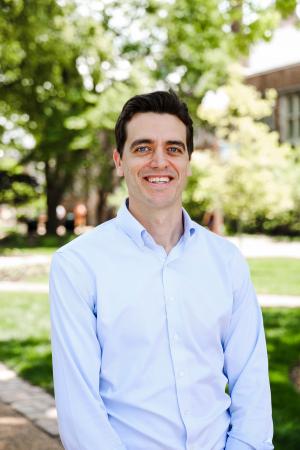
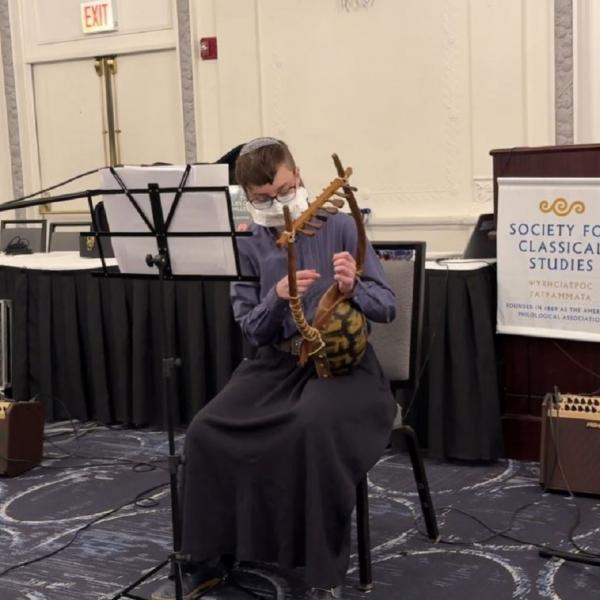
Video of Washington University PhD student Bayla Kamens featured in newsletter of Society for Classical Studies
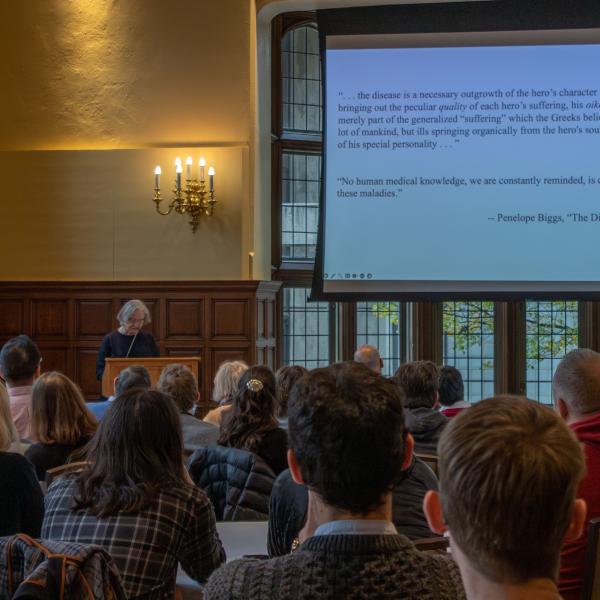
Classics joins Comparative Literature in celebrating the teaching and scholarship of Penelope Biggs

"By learning about Ancient Greek and Roman history and culture, I was able to appreciate not only the key differences between the ancient and modern world--but also the similarities. I love Classics because it allows me to vividly engage with history and recognize the way ancient civilizations shape the world we live in today. I know that the writing, research, critical thinking, and analytical skills I gained from my classics degree will serve me well in law school and beyond."
―Pascale StainJ.D. candidate, Harvard University Law SchoolSupport Programs in Classics
Your financial contributions help support student experiences and programming. Donations are much appreciated and always put to good use.
Make a Gift